

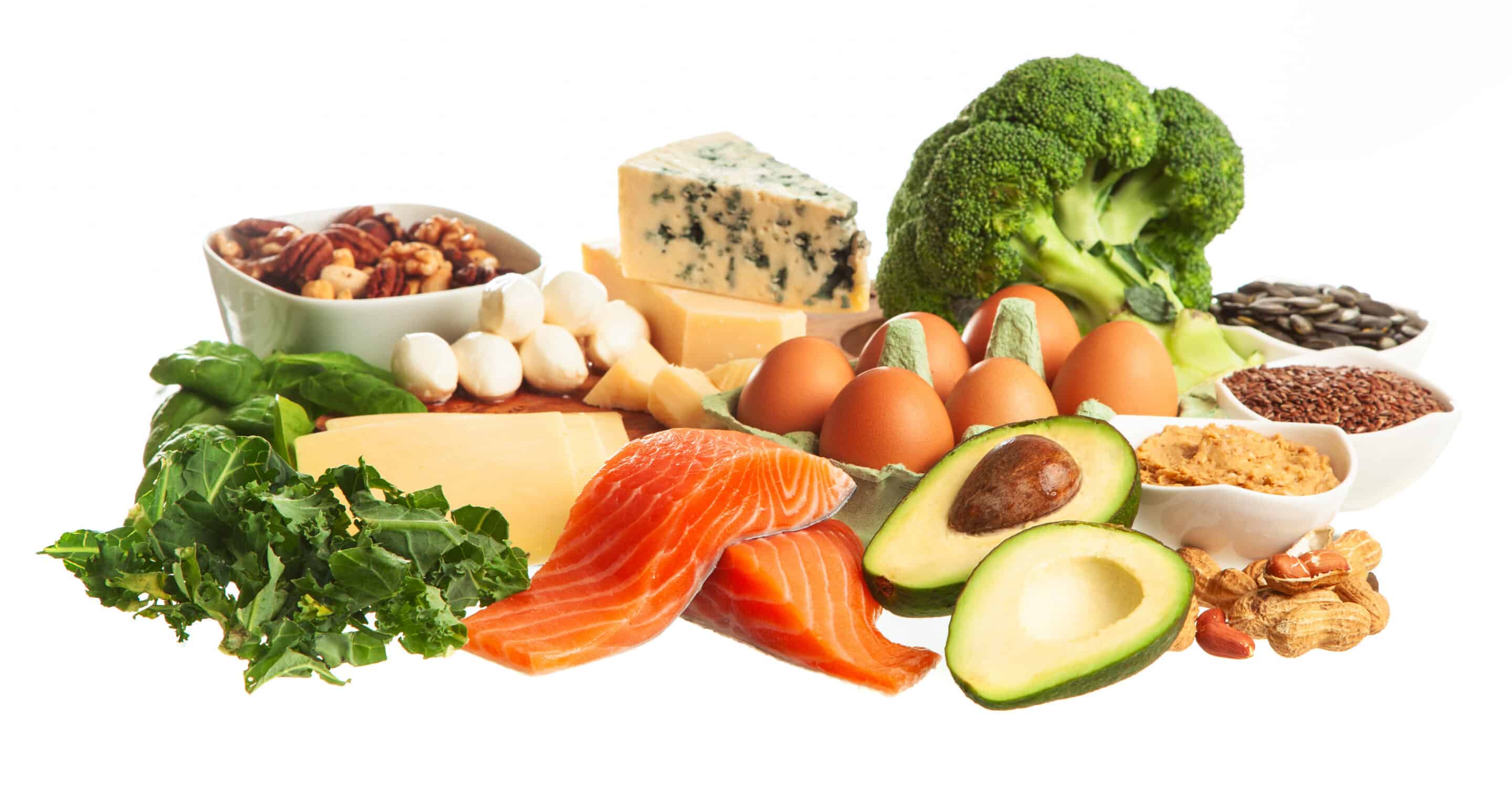
When people think about treatments for mental health conditions, they usually think of medications and psychotherapy.
Few think about food.
That may be changing.
Over the past decade, a growing body of research has demonstrated that nutrition can influence how our brains function and how we feel emotionally. This includes common experiences such as low energy, brain fog, difficulty concentrating, anxiety, irritability, and mild depression, but it also extends to some of the most serious psychiatric conditions, including major depression, bipolar disorder, and schizophrenia.
Unfortunately, the conversation about nutrition and mental health often swings between two extremes.
One extreme dismisses nutrition altogether. If someone is struggling emotionally, the assumption is that food has little to do with it.
The other extreme claims that a specific diet can cure virtually every mental health condition.
The truth lies somewhere in between.
Years ago, I wrote that foods and fasting can sometimes be considered “psychopharmacologic therapies,” interventions that affect the brain in ways that overlap with medications. We have long known that nutrients influence neurotransmitters, inflammation, hormones, oxidative stress, and other biological processes involved in brain function. What has changed is the quality and quantity of evidence showing that these effects can sometimes translate into meaningful clinical improvements.
Some nutritional approaches involve adding something to the diet.
Omega-3 fatty acids have shown benefits in some studies of depression. Certain vitamin deficiencies, such as deficiencies in vitamin D, folate, or vitamin B12, can contribute to fatigue, cognitive symptoms, and mood disturbances. Correcting those deficiencies can sometimes improve symptoms substantially.
Other approaches focus on removing things from the diet. In selected individuals, eliminating specific foods may help reduce symptoms. However, elimination diets have not consistently demonstrated broad benefits across psychiatric conditions and should be approached thoughtfully rather than reflexively.
Perhaps the strongest evidence among conventional dietary patterns comes from studies of overall diet quality. The landmark SMILES trial demonstrated that people with moderate to severe depression who improved the quality of their diets experienced significantly greater improvement than those receiving social support alone. Importantly, participants weren’t following a fad diet. They were eating more whole foods and fewer highly processed foods.
More recently, attention has expanded beyond depression.
Researchers are investigating how diet affects the gut microbiome, insulin resistance, inflammation, mitochondrial function, and metabolic health—all systems increasingly implicated in psychiatric disorders.
This work has led to renewed interest in interventions such as fasting and ketogenic therapies. Originally developed over a century ago to treat epilepsy, ketogenic diets influence numerous brain pathways, including neurotransmitter systems, inflammation, energy metabolism, oxidative stress, and the gut microbiome.
When I first wrote about this topic several years ago, evidence in psychiatry consisted largely of animal studies and case reports. Today, the landscape looks very different.
Clinical trials have now reported encouraging findings in conditions including major depression, bipolar disorder, schizophrenia, and other serious mental illnesses. Although this research remains in its early stages and larger randomized controlled trials are still needed, the accumulating evidence suggests that nutritional interventions deserve serious scientific attention.
Food is not just fuel.
It provides the raw materials that help build neurotransmitters, hormones, cell membranes, and even the energy-producing machinery inside our brain cells. The nutrients we consume influence countless biological processes that support mental health.
But nutrition’s effects may extend beyond simply providing fuel, correcting deficiencies, or supplying building blocks.
Some dietary interventions appear to work by changing the body’s physiology itself. Fasting and ketogenic therapies, for example, can alter inflammation, neurotransmitter systems, oxidative stress, mitochondrial function, insulin signaling, and even the gut microbiome. In doing so, they may help calm biological processes that contribute to psychiatric symptoms.
This distinction is important.
Mental health symptoms can arise from many different causes. Genetic vulnerabilities, psychological stress, trauma, infections, autoimmune conditions, metabolic dysfunction, medications, and countless other factors can all play a role. Yet many of these diverse pathways converge on common downstream mechanisms in the brain, including disrupted mitochondrial function, energy metabolism, and neuroinflammation.
As a result, a nutritional intervention does not necessarily have to address the original cause of an illness to be helpful. A person whose psychiatric symptoms began after an infection or autoimmune process, for example, might still benefit from an intervention that reduces inflammation or improves brain energy metabolism. Ketogenic therapies can do both of these, at least in some people.
Of course, nutrition is not a magic bullet.
No single diet works for everyone. Some people experience dramatic improvements. Others notice modest benefits, and some notice none at all. Genetics, medical conditions, medications, food preferences, and social circumstances can all influence which strategies are realistic and effective.
Perhaps the lesson is not that food is the answer to every mental health problem.
Rather, it is that nutrition deserves a seat at the table.
The future of mental health care is unlikely to be built on false choices—psychotherapy or medication, biology or psychology, lifestyle or science. Human beings are more complicated than that.
The most effective care often integrates multiple perspectives: understanding a person’s story, addressing psychological patterns and relationships, using evidence-based treatments for psychiatric symptoms, improving sleep and physical activity, optimizing metabolic health, and exploring whether nutrition may be part of the solution.
Food matters. Sometimes, because it provides the brain with what it needs to function. Sometimes, because it changes the biological environment in which the brain operates. And sometimes, for reasons we are only beginning to understand.
What seems increasingly clear is that nutrition deserves serious scientific attention—not as a replacement for established treatments, but as another powerful tool that may help people move toward recovery and flourishing.

Dr. Christopher Palmer is a Harvard psychiatrist and researcher working at the interface of metabolism and mental health. He is the Founder and Director of the Metabolic and Mental Health Program and the Director of the Department of Postgraduate and Continuing Education at McLean Hospital and an Assistant Professor of Psychiatry at Harvard Medical School. For almost 30 years, he has held administrative, educational, research, and clinical roles in psychiatry at McLean and Harvard. He has been pioneering the use of the medical ketogenic diet in the treatment of psychiatric disorders—conducting research in this area, treating patients, writing, and speaking around the world on this topic. Most recently, he has proposed that mental disorders can be understood as metabolic disorders affecting the brain, which has received widespread recognition in both national and international media outlets.
